


To Share or Not to Share. Why pre-contractual information is essential in commercial collaborations.
Are you an entrepreneur entering into a commercial collaboration - such as a franchise, distribution, agency, or concession - and granting the other party the right to use your commercial formula (think of a shared trade name, transfer of know-how, or commercial/technical assistance)? Then you are legally obliged to thoroughly inform your (future) partner in advance. Recently, this duty to inform has been expanded and tightened by the legislator. This obligation to inform is not optional: failure to comply can lead to serious sanctions.
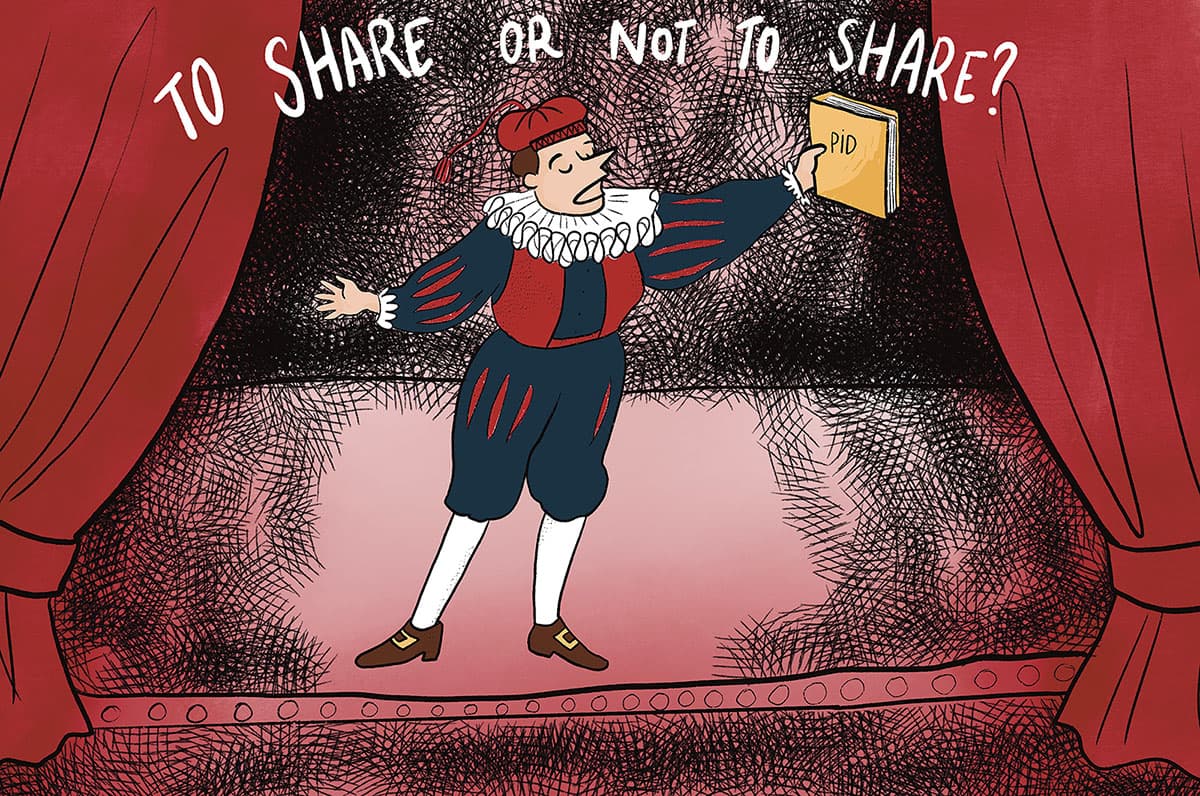
What does this duty to inform entail exactly?
Before signing an agreement, you must provide your contracting partner with two documents:
1. The draft collaboration agreement
2. The pre-contractual information document (PID)
The PID is the central document and consists of two parts, which must include at least the following information:
- Key contractual provisions, such as: who are the contracting parties, what is the duration, how do termination or renewal work, what are the fees involved, what costs are associated, are there non-compete clauses, etc.?
- Essential business information: your company details, the nature of your activities, financial statements for the last three years, and an overview of the investments and burdens the other party must take on.
This also applies to extensions or modifications!
Is an existing collaboration being extended or modified? Then a simplified PID is sufficient, but this must also be provided at least one month in advance. In such cases, it suffices to include the new or amended contractual provisions.
What if you don’t comply with these rules?
The law is strict: if you do not (timely) provide the PID or if it is incomplete, your partner can challenge the validity of the contractual provisions not included in the PID within two years — or even invoke the nullity of the entire agreement. This means the agreement will be considered as never having existed.
Consequences: You must repay all received fees (such as royalties or entry fees) and may also have to pay additional compensation for costs and investments made. Think of costs to suppliers and utility companies, investments in retail space, recruitment costs and paid salaries, interest on business loans, …
Why is this so important?
These rules are designed to protect the weaker party – but they also protect you as an entrepreneur from disputes later on. A correct and complete PID ensures transparency and avoids unpleasant surprises.
In short: make sure you are well informed and take these obligations seriously.
Do you have questions or need assistance drafting or reviewing your PID? The commercial law team at Andersen in Belgium is ready to assist you with this.
David Van Iseghem (Partner – Mediator) – Marnix Van Den Plas (Associate)
Discover more about this topic?
I am looking for a specialist in
















See more articles

05.11.2026
•Real Estate, Renting and Co-ownership, Andersen in Belgium
New rules tighten requirements for sustainability claims in the real estate sector
Sustainable, green, energy-efficient or even climate-neutral: these terms have become commonplace in real estate communications. From the end of September, however, the use of such claims will be subject to stricter rules. The new rules aim to better protect consumers against misleading environmental claims. For businesses, the message is clear: commercial communications will need to be more precise.

05.11.2026
•Employment Law, Andersen in Belgium
Belgium imposes new workplace regulations
Employers must make sure that their internal policies are up date according to Belgium’s PIA and prepare for a stricter time registration obligation.

03.11.2026
•Tax Law, Andersen in Belgium
No Exact Correlation Required Between Expenses Relating to a Holiday Residence and Benefits in Kind
In its judgment of 18 June 2026, the Belgian Court of Cassation settled an important question concerning the deductibility of expenses incurred in making a holiday residence available to a company director: must these expenses be capped at the amount of the benefit in kind (BIK) taxed in the hands of the director? The Court answered in the negative.

03.11.2026
•Tax Law, Andersen in Belgium
Copyright and Tax Abuse: The Court of Cassation Gets Its Wires Crossed!
In a rather surprising judgment of 14 September 2026 (F.23.0097.F), the Belgian Court of Cassation failed to correctly identify the legislature's objectives when introducing the flat-rate tax regime for copyright and related rights income. The courts should swiftly distance themselves from this judgment!